RESEARCH PROJECT 01

ARCHAEOLOGY · ANTHROPOLOGY · CULTURAL HERITAGE

Documentation and Cataloguing of Decorated Ancient Gravestones on Lombok Island

Reflections of Cultural Interaction and Acculturation in Gumi Sasak

2025–2026 West Nusa Tenggara, Indonesia Ongoing Project
Documentation of decorated ancient gravestones on Lombok Island
Reading the past through stone: documenting decorated ancient gravestones across Lombok to explore the material traces of cultural interaction, religious transformation, and the enduring traditions of Gumi Sasak.

Project Overview

Project Year

2025–2026

Location

West Lombok, Central Lombok, East Lombok, and North Lombok, West Nusa Tenggara, Indonesia

Research Category

Archaeology, Anthropology, and Cultural Heritage

Research Team

Vaivasvata Research Team

Funding Institution

Ministry of Culture of the Republic of Indonesia and Indonesia Endowment Funds for Education (LPDP)

Project Status

Ongoing — Catalogue Publication in Progress

Research Background

Ancient Islamic gravestones across Lombok preserve material traces of the island's historical, religious, and cultural transformations. Despite their archaeological significance, these gravestones have not been documented through a comprehensive inventory. Their continued exposure to deterioration and potential loss makes systematic documentation an important step in cultural heritage research and preservation.

Beyond their historical value, the gravestones contain morphological variations, decorative motifs, and inscriptions that offer insights into cultural interaction and religious transformation in Lombok. Their study also needs to be considered alongside local traditions of death, pilgrimage, and ancestral veneration. By bringing archaeological documentation into dialogue with ethnographic research, this project examines how material remains and living cultural practices contribute to understanding the historical experiences of Gumi Sasak.

Research Objectives

This project aims to document and examine decorated ancient gravestones in Lombok through archaeological and ethnographic perspectives. Its specific objectives are to:

  1. 01

    Document ancient Islamic gravestones across selected archaeological sites in Lombok.

  2. 02

    Identify and analyse their morphological and formal characteristics.

  3. 03

    Examine decorative motifs and inscriptions as material expressions of historical and cultural interaction.

  4. 04

    Understand socio-cultural practices associated with death, pilgrimage, and ancestral veneration.

  5. 05

    Reconsider broader narratives of Islamization in Indonesia through the small-scale material evidence preserved on gravestones, particularly in Lombok.

Research Scope

Geographical Scope

Archaeological documentation was conducted at selected ancient Islamic cemetery sites in West Lombok, Central Lombok, and East Lombok. Ethnographic research extended to communities in North Lombok and West Lombok.

Archaeological Materials

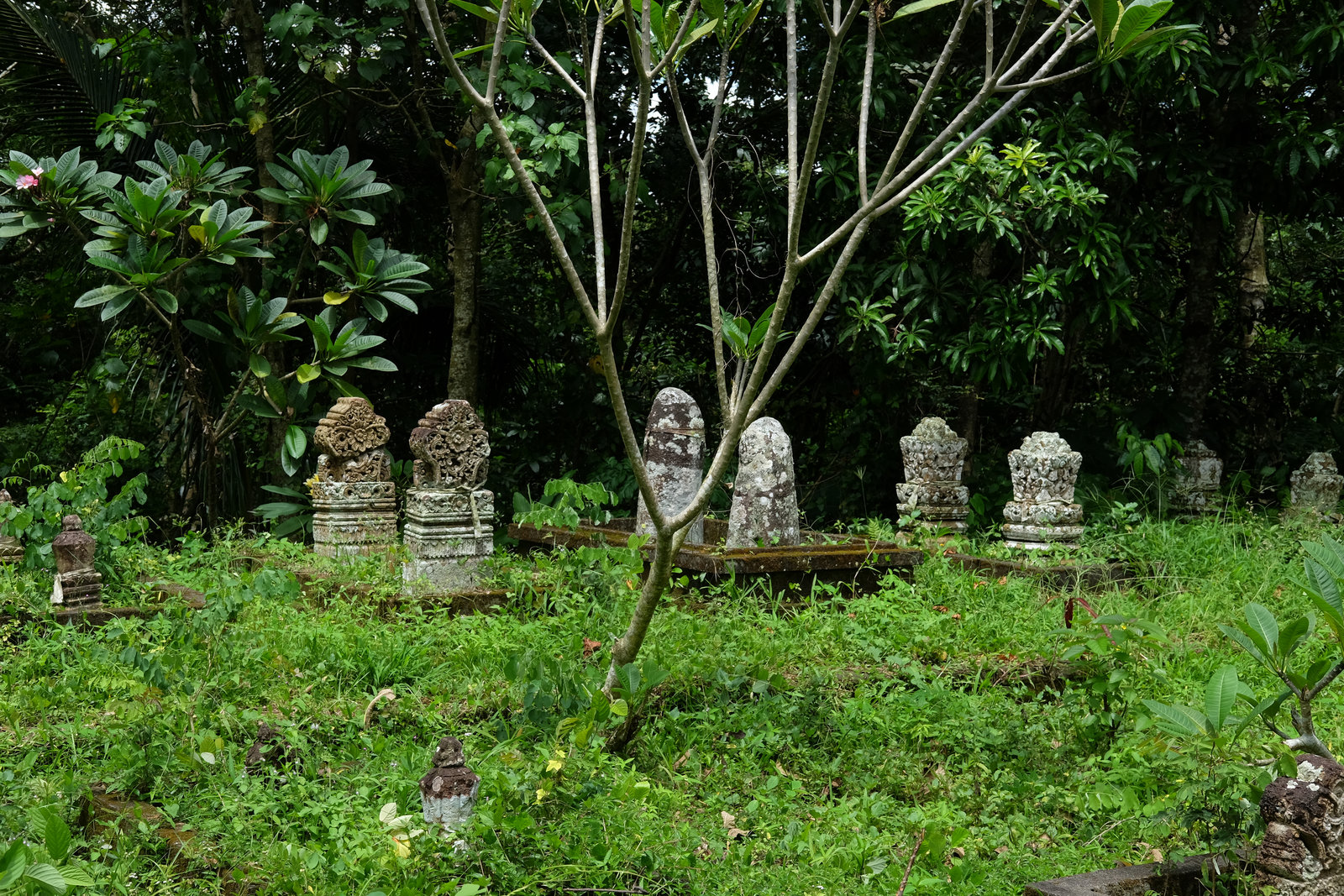
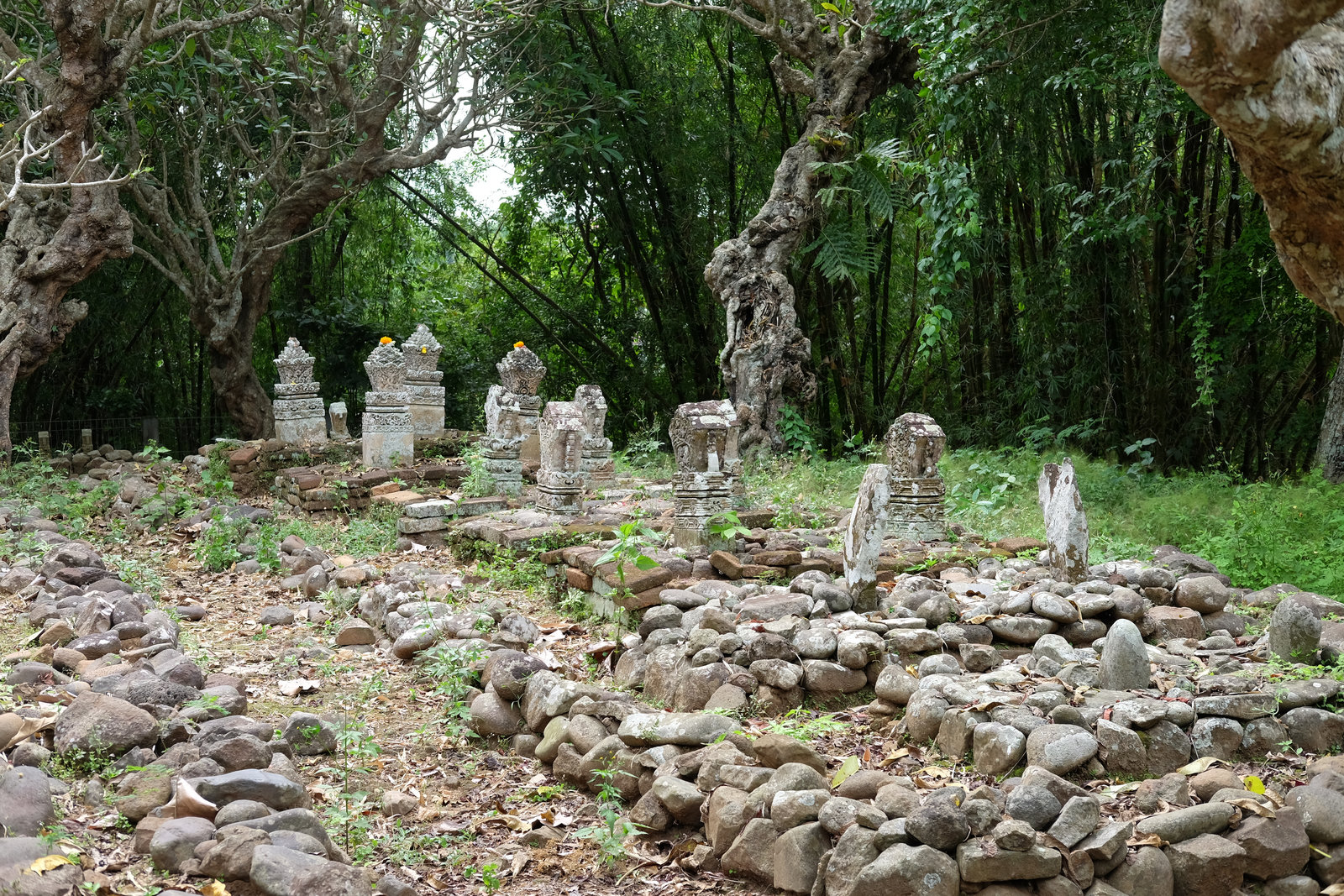
The research focuses on ancient Islamic gravestones, examining their material composition, morphology, decorative motifs, inscriptions, and dimensions.

Ethnographic Focus

Ethnographic research examines traditions and rituals associated with death, pilgrimage practices, and ancestral veneration among Boda, Wetu Telu, and Wetu Lima communities.

Historical and Cultural Context

Archaeological and ethnographic evidence is examined in relation to cultural interaction, religious transformation, and the historical development of Islamic traditions in Lombok.

Research Methodology

This project employs an integrated research design combining Islamic archaeology, material analysis, and ethnographic approaches. Archaeological documentation is examined alongside living cultural practices to investigate the relationship between gravestones, historical processes, and traditions of death in Lombok.

01

Archaeological Survey and Documentation

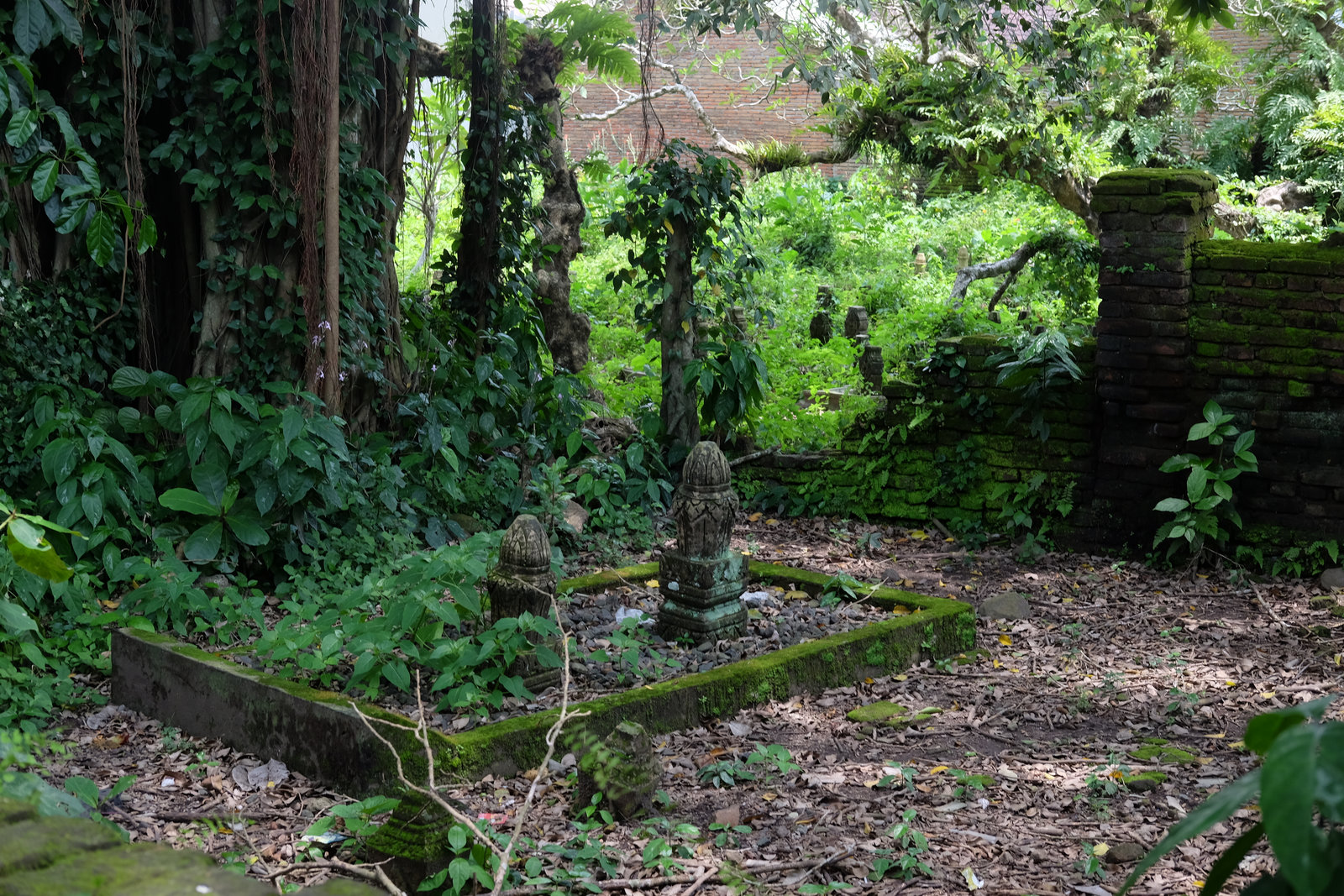
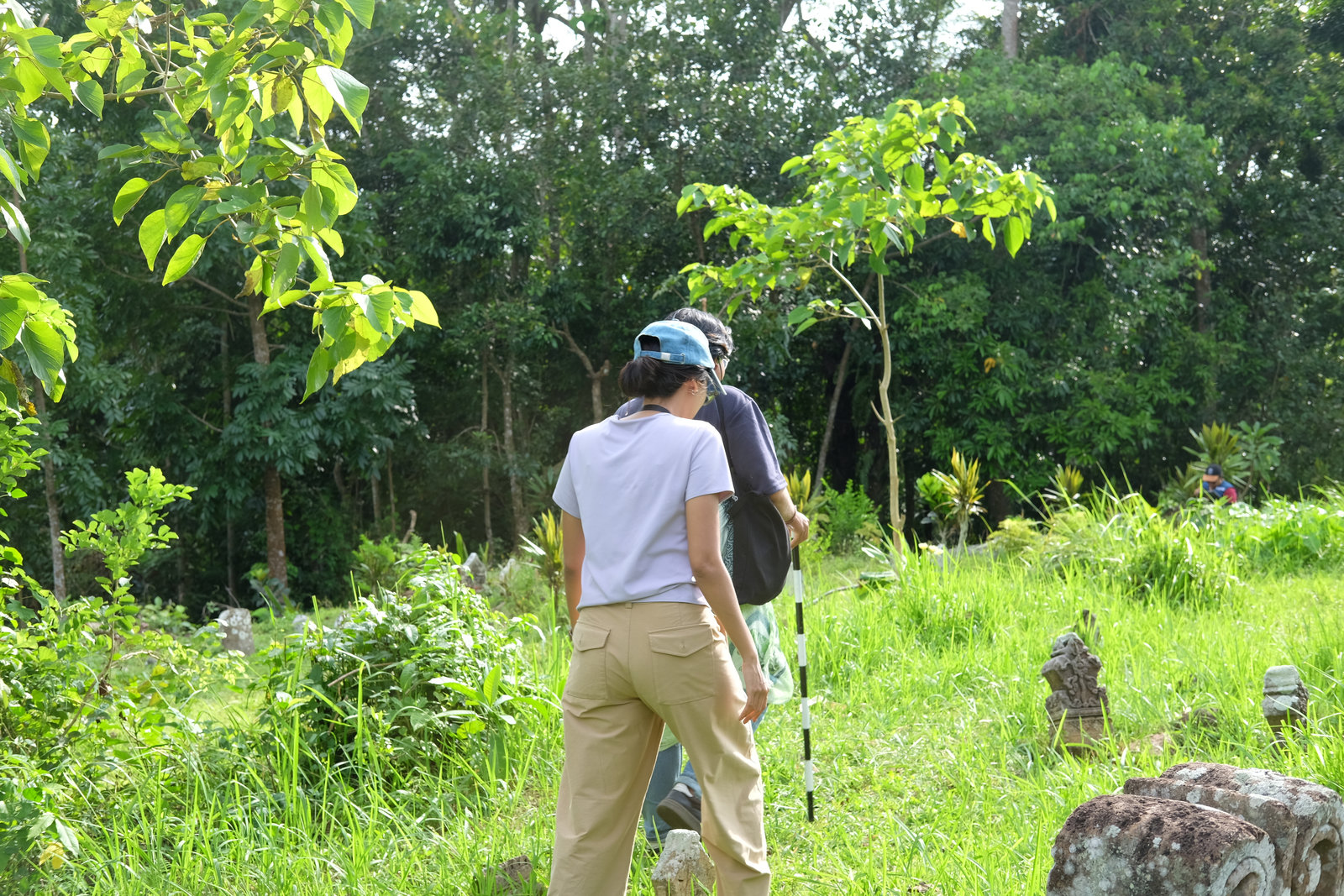
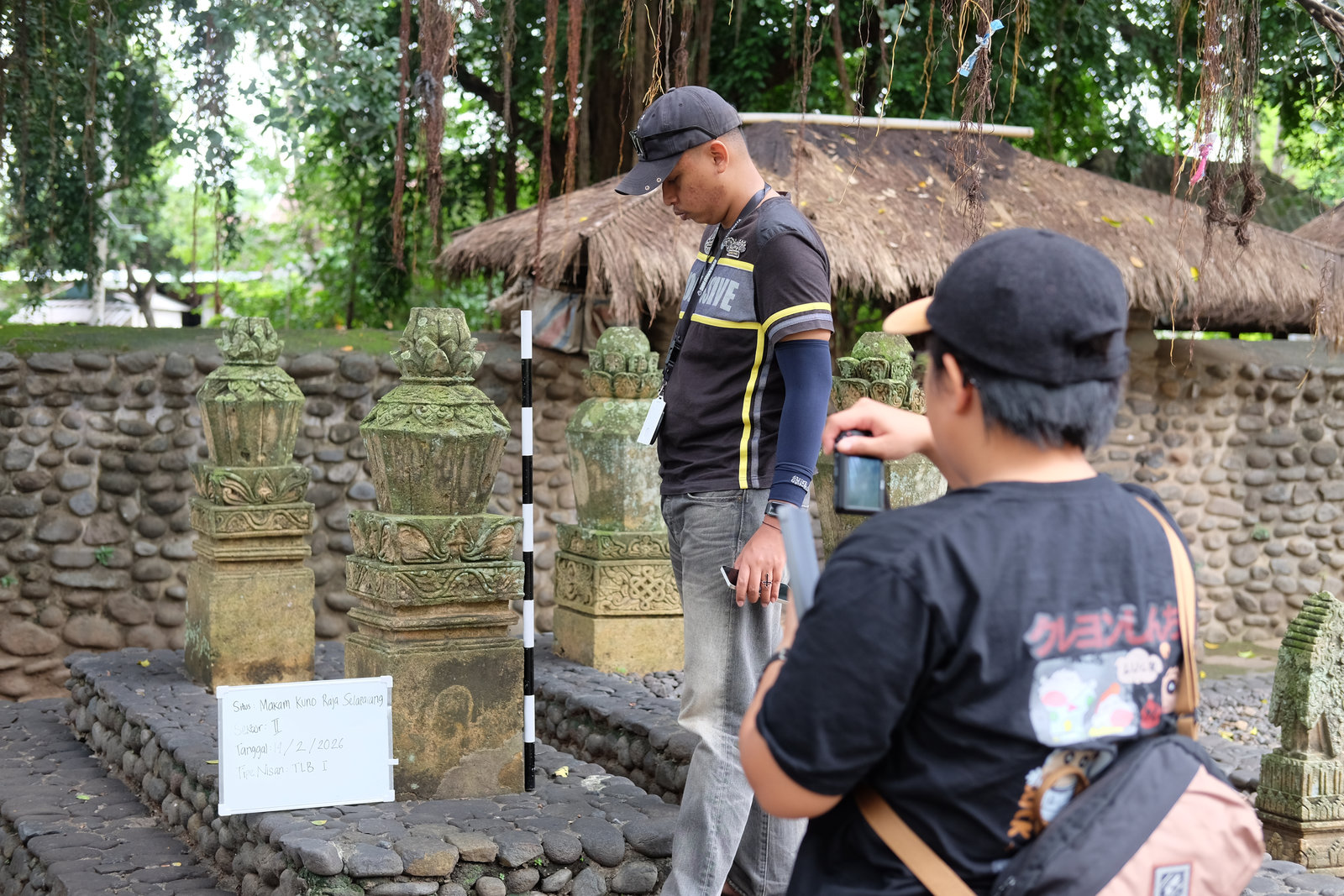
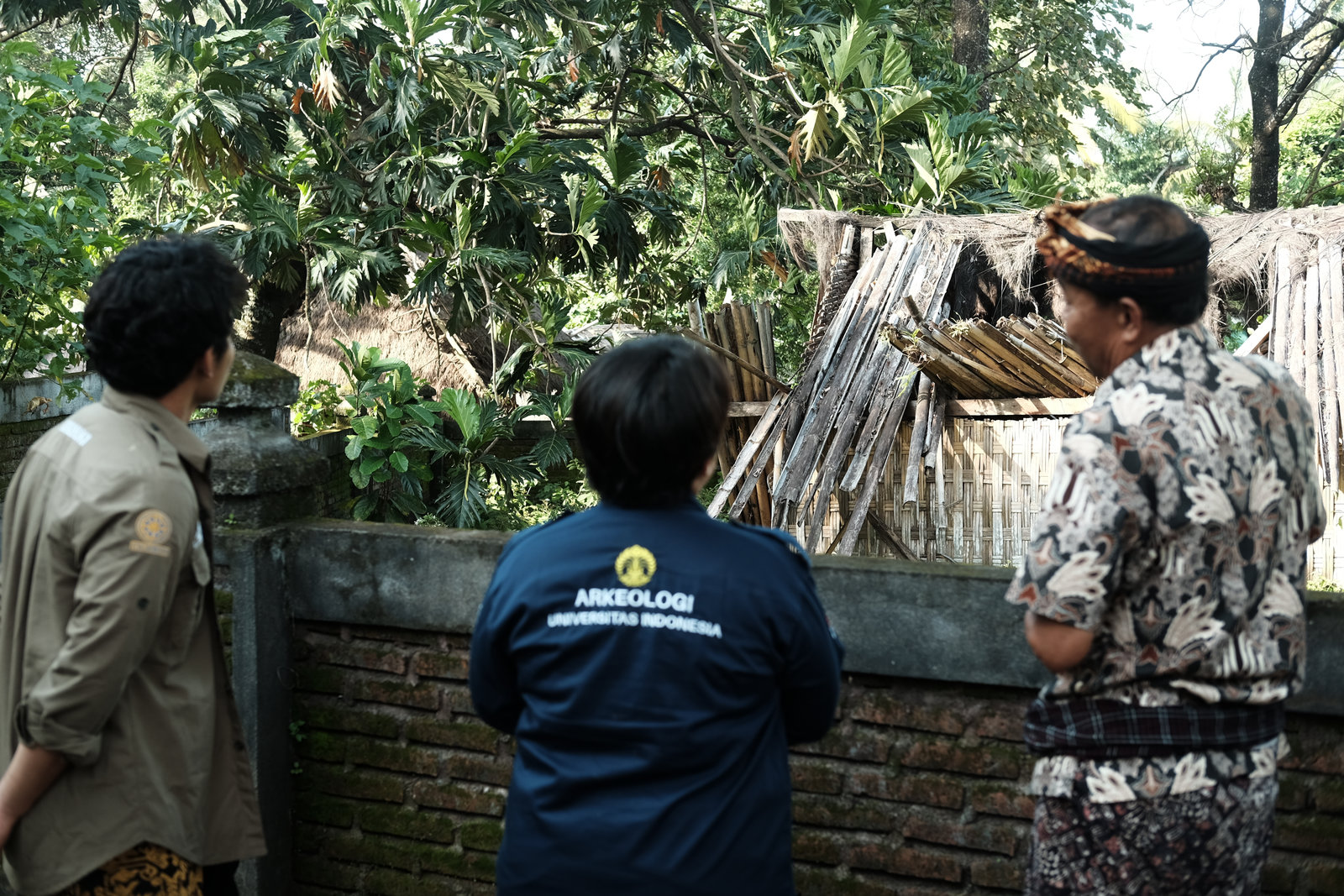
Field surveys were conducted at selected ancient Islamic cemetery sites. The research involved direct observation, identification, photography, and systematic recording of gravestones and their archaeological characteristics.

02

Material and Morphological Analysis

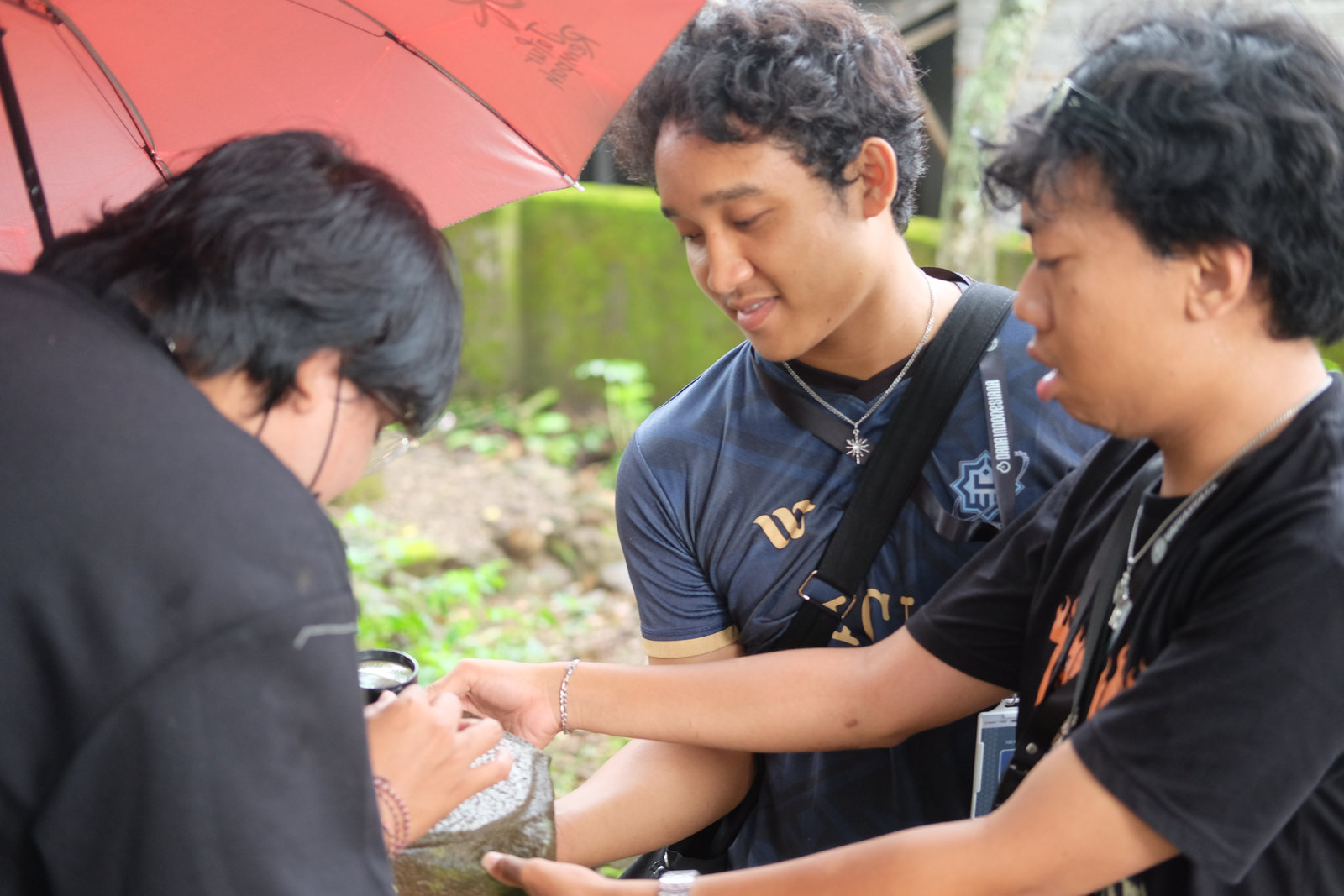
Gravestones were examined through their material composition, forms, dimensions, decorative motifs, and inscriptions. These characteristics provide the basis for describing variations and developing archaeological classifications.

03

Ethnographic Interviews

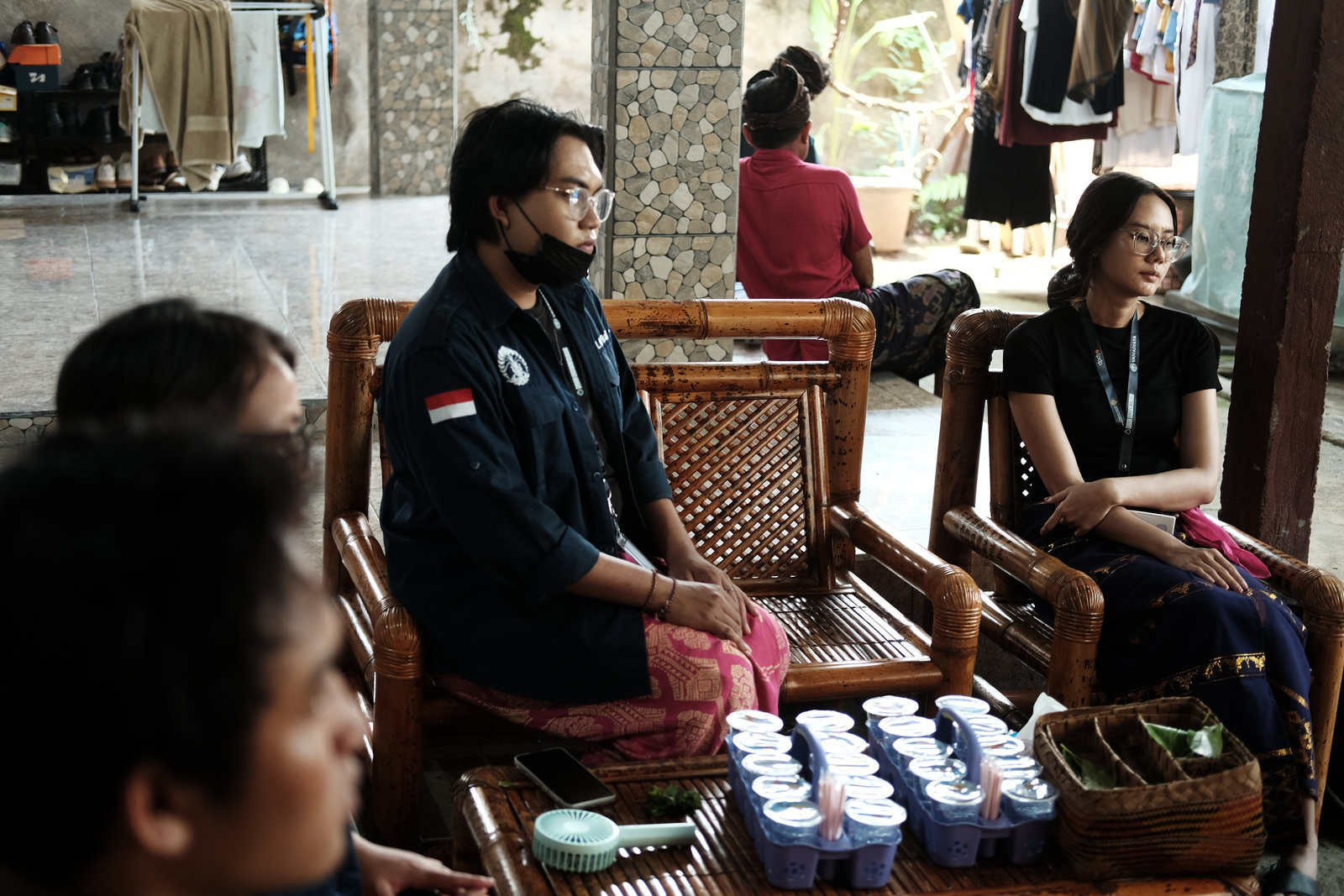
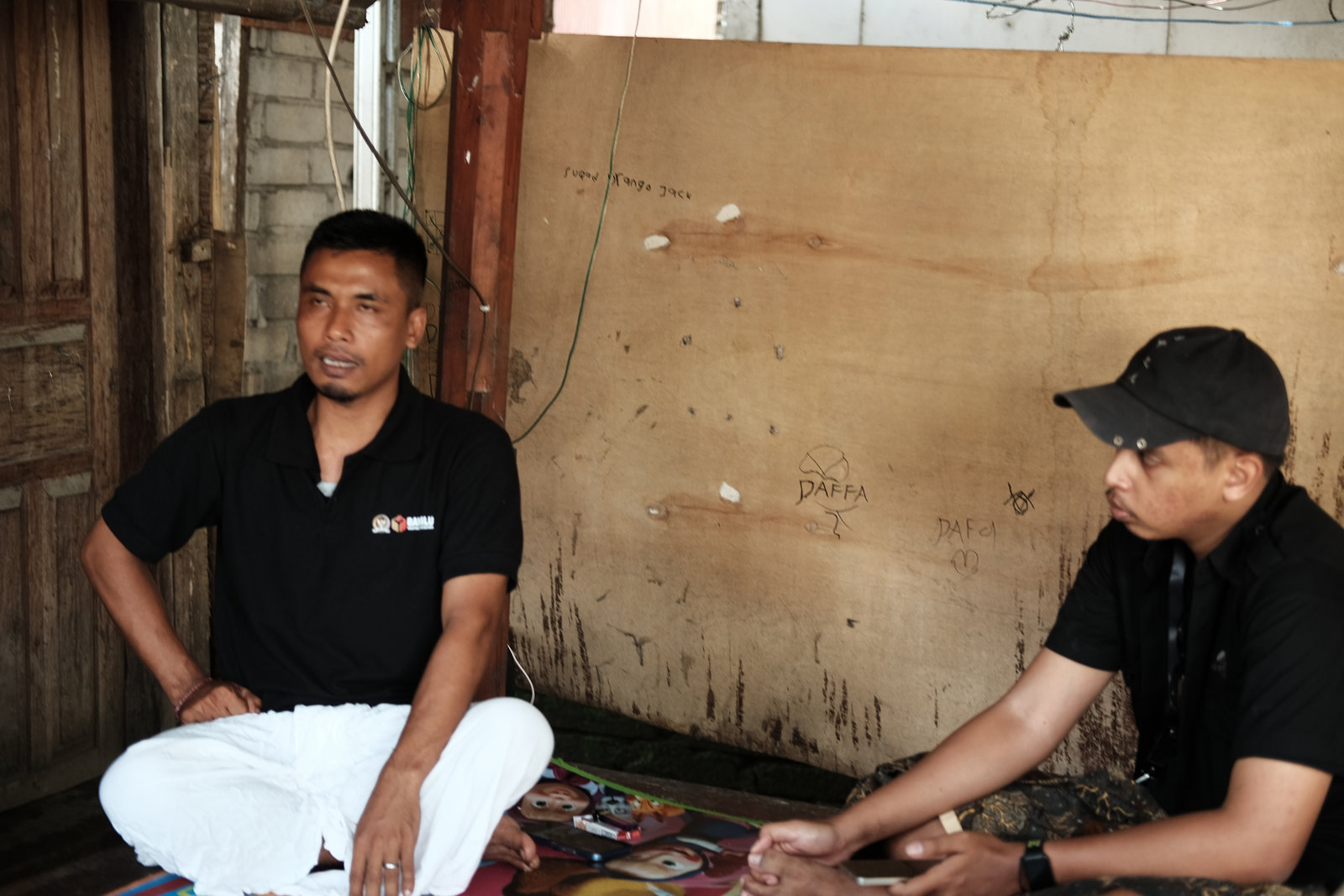
In-depth interviews were conducted with community members, local leaders, and customary authorities. These interviews explored local understandings of death, burial traditions, pilgrimage, and ancestral veneration.

04

Participant Observation

Participant observation and documentation of the Menyoyang ritual, a 1,000-day commemoration, were conducted in Karang Panasan. This approach provided contextual insight into the continuity of local traditions associated with death.

05

Archaeological and Ethnographic Integration

Archaeological records and ethnographic accounts were brought together to examine relationships between material evidence, social memory, religious practices, and cultural continuity in Lombok.

06

Data Classification and Catalogue Preparation

Field records, visual documentation, and analytical data were organised into a structured catalogue. Gravestones were classified according to their archaeological characteristics and supported by historical and socio-cultural descriptions.

Research Activities

NOVEMBER 2025

Preliminary Reconnaissance

Initial reconnaissance was conducted to identify potential archaeological sites, examine previous research, and establish the preliminary scope of field investigation.

FIELD EXPEDITION

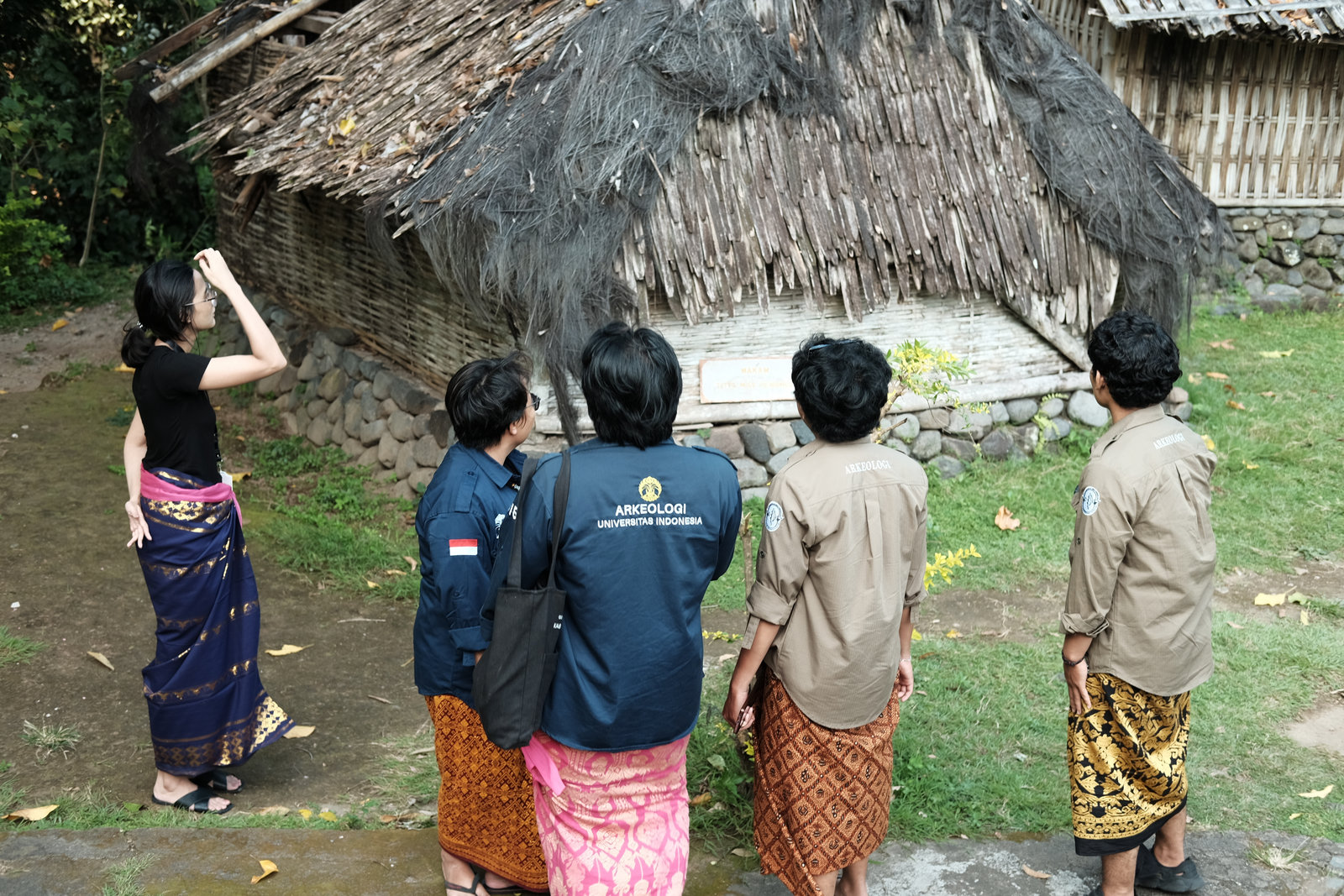
Archaeological and Ethnographic Fieldwork

A 21-day field expedition was carried out across selected areas of Lombok. Activities included archaeological surveys, gravestone documentation, in-depth interviews, and ethnographic observation of local traditions associated with death.

2026

Data Processing and Analysis

Archaeological records, photographs, measurements, and interview materials were compiled, classified, and analysed to support the preparation of the research catalogue and related outputs.

14–15 OCTOBER 2026

Research Dissemination

Research findings and documentation were shared through dissemination activities in Lombok, engaging students, academics, researchers, journalists, and local cultural communities.

ONGOING

Catalogue Finalisation and Publication

The research catalogue is undergoing finalisation as part of the project's continuing efforts to organise and communicate archaeological and ethnographic documentation.

Findings and Outputs

Archaeological documentation has produced a structured catalogue of selected ancient gravestones from Lombok. The recorded materials provide a basis for examining variations in gravestone morphology, decorative motifs, inscriptions, materials, and estimated chronology.

170 Catalogued Gravestone Samples
34 Archaeological Cemetery Sites
5 Ethnographic Research Sites
57 Gravestones with Measurement Data

Archaeological Documentation

The catalogue records several gravestone typologies, including Lombok–Tralaya, Lombok–Bugis, Lombok, Bugis Kuno, Aceh, and Jirat Bugis Kuno. These classifications reflect the morphological and decorative diversity identified in the documented sample.

Material Characteristics

Limestone, locally known as bokah, dominates the documented sample, accounting for 151 of the 170 gravestones. Other recorded materials include wood, andesite, coral stone, and sandstone.

Chronological Distribution

The estimated dating of the documented gravestones ranges from approximately the sixteenth to the twentieth century CE. The largest groups are attributed to the seventeenth–eighteenth and eighteenth–nineteenth centuries.

Ethnographic Documentation

Ethnographic research documents traditions and practices associated with death, pilgrimage, and ancestral veneration among Boda, Wetu Telu, and Wetu Lima communities. These materials provide cultural contexts for examining the relationship between archaeological remains and living traditions.

Data note: The figures presented here refer to the documented catalogue sample and recorded research sites. They should not be interpreted as a complete inventory of all ancient gravestones in Lombok. Chronological assignments represent estimated periods.

Research Outputs

  • Archaeological gravestone catalogue
  • Structured research database
  • Photographic documentation archive
  • Ethnographic documentation of death traditions
  • Research dissemination and educational materials
  • Scholarly publications

The catalogue and associated research materials are currently undergoing finalisation and preparation for publication.

Research Team

An interdisciplinary research team bringing together expertise in archaeology, anthropology, and cultural heritage.

Lalu M. Balia Farsahin, S.Hum., M.Si.

Department of Anthropology
Faculty of Social and Political Sciences
Universitas Indonesia

Muh. Nur Rahmat Yasim, S.Sos., M.Si.

Department of Anthropology
Faculty of Social and Political Sciences
Universitas Hasanuddin

Adinda Tasya Namira, S.Hum.

Department of Archaeology
Faculty of Humanities
Universitas Indonesia

Nicolas Nesta Rama Umbu Lado

Archaeology Study Programme
Faculty of Humanities
Universitas Udayana

Katya Sekarani, S.Li.

Department of Anthropology
Faculty of Social and Political Sciences
Universitas Indonesia

Lalu Sunandy Teguh Drayanata

Archaeology Study Programme
Faculty of Humanities
Universitas Udayana

Related Publications

Scholarly works developed in connection with the research and its broader archaeological and historical discussions.